



Yes, you can take iron and vitamin D together — there is no known harmful interaction between the two. That said, these two nutrients are absorbed differently by the body, so spacing them apart during the day can help you get the most from each one. If convenience matters most to you, taking both at the same time is still safe.
Key Takeaways
- No harmful interaction exists between iron supplements and vitamin D — they are often taken together without issue.
- Iron absorbs best on an empty stomach, while vitamin D is fat-soluble and needs a meal that contains some fat.
- Their ideal absorption conditions differ, so separating them by a few hours is a practical strategy to optimize both.
- Emerging but mixed research suggests vitamin D may influence iron metabolism through a hormone called hepcidin — the evidence is not yet conclusive enough to change everyday practice.
- Always get a confirmed diagnosis before starting iron supplements; too much iron carries real health risks.
Can You Take Iron and Vitamin D Together Safely?
There is no known harmful interaction between iron supplements and vitamin D. Iron and vitamin D use different pathways for absorption and processing in the body. Think of it like two separate delivery trucks heading to the same city but using completely different roads — they don’t block each other.
Vitamin D is fat-soluble and absorbed in the small intestine with dietary fats, while iron is a mineral absorbed through specific transporters in the gut lining. They do not compete for the same “gateways” into the bloodstream.
So the short answer is: yes, taking both on the same day is perfectly safe. The more nuanced answer is that their optimal absorption conditions are different, and a simple scheduling adjustment can help each one work better.
Why Iron and Vitamin D Have Different Absorption Needs
Iron is best absorbed when consumed on an empty stomach while vitamin D is best absorbed after a fat-containing meal. This means that if you swallow both at the same time, one of them will not be in its ideal environment. Taking iron and vitamin D together may mean that one of the nutrients is not absorbed optimally.
A helpful way to picture this: iron acts like a commuter who moves fastest on an empty road (an empty stomach), while vitamin D is like a passenger who needs to hitch a ride in a fat molecule’s “vehicle” to get where it is going. Put them in the same situation and at least one of them is traveling under the wrong conditions.
How Does Vitamin D Affect Iron Absorption? The Hepcidin Connection
Scientists have found an interesting biological link between vitamin D and iron, and it involves a hormone called hepcidin (the body’s master regulator of iron levels). Hepcidin has emerged as a master regulator of iron homeostasis. It decreases iron absorption from the gut mucosa by limiting its transport from the enterocyte across the basolateral membrane into the circulation.
Previous observational studies suggested that vitamin D may control the absorption of iron by inhibition of hepcidin, but the causal relevance of these associations is uncertain. In other words, some research hints that adequate vitamin D levels might help keep hepcidin in check, allowing more iron into the bloodstream — but the picture is far from clear.
While some studies indicate that vitamin D can decrease iron stores, others show no effect, even with mega-doses of vitamin D. Taken together, the research isn’t conclusive enough to suggest you should avoid combining the two. A well-designed clinical trial called the BEST-D study, published in the British Journal of Nutrition, looked at 305 participants aged 65 years or older randomly allocated to 4,000 IU vitamin D3, 2,000 IU vitamin D3, or a matching placebo. Vitamin D supplementation was found to be unlikely to make a meaningful difference to iron levels in older people.
On the flip side, iron supplementation may have improved the absorption of vitamin D in the small intestine. In infants with iron-deficiency anemia, serum vitamin D concentrations were below the normal range despite adequate vitamin D intake. This suggests that correcting iron deficiency first may actually help your vitamin D levels too — a lesser-known and genuinely interesting fact.
The inconsistencies in the association between vitamin D and iron deficiency status are not limited to observational research studies but have also been noted in vitamin D supplement trials. Bottom line: the science is still evolving, and at normal supplement doses the interaction is unlikely to be clinically meaningful for most people.
Can You Take Iron and Vitamin D Together? A Practical Timing Plan
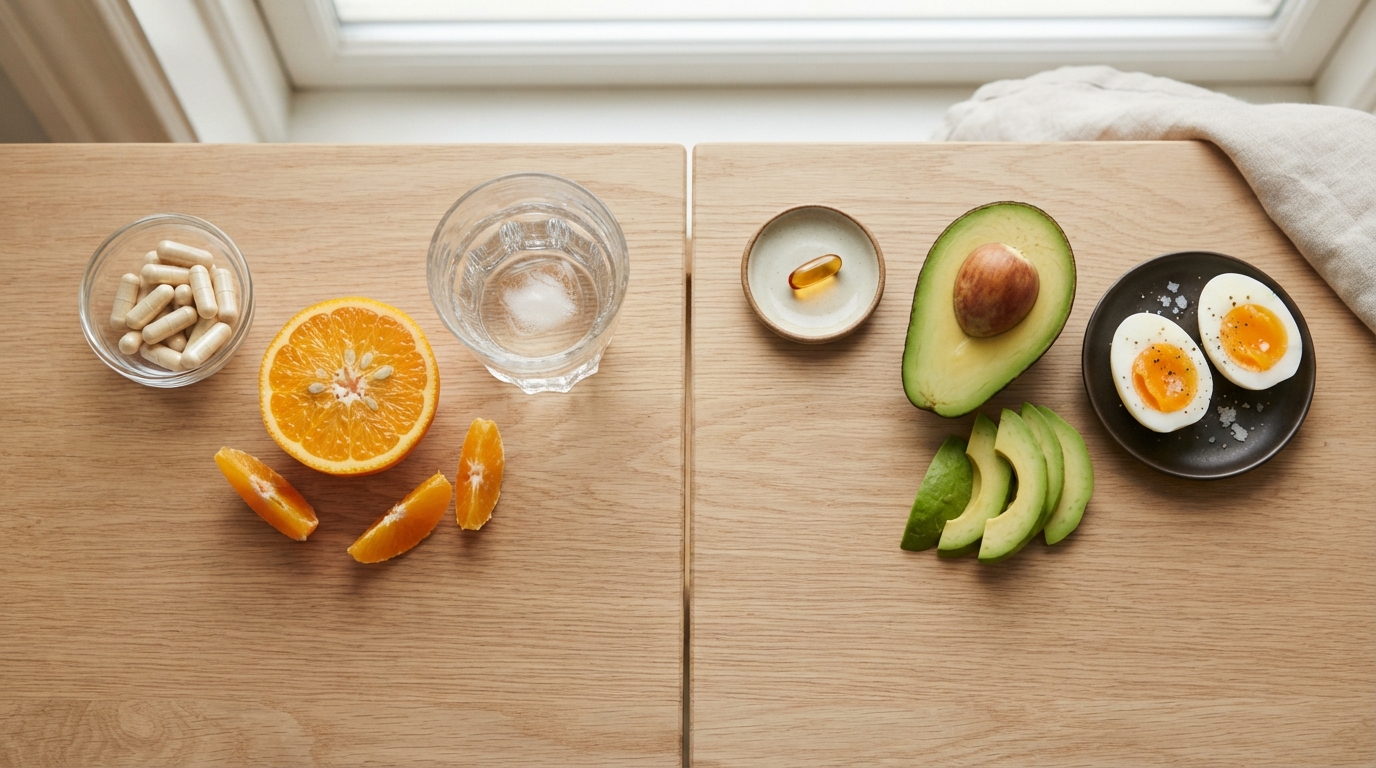
Since their absorption conditions differ, the smartest approach is to give each supplement its own window during the day. Here is a simple schedule you can adapt.
| Supplement | Best Time | Take With | Avoid Alongside |
|---|---|---|---|
| Iron | Morning, on an empty stomach | Water or a vitamin C source (orange juice) | Dairy, coffee, tea, calcium supplements |
| Vitamin D | Midday or with your largest meal | A meal containing healthy fat (eggs, avocado, salmon) | No major conflicts at normal doses |
Tips to Get More From Your Iron Supplement
- Pair iron with vitamin C. According to the NIH Office of Dietary Supplements, vitamin C can enhance non-heme iron absorption. A small glass of orange juice works well.
- Avoid tea and coffee for at least two hours. Caffeine and tannins found in tea and coffee significantly reduce the amount of iron your body absorbs. You should avoid drinking these for at least two hours before or after taking your iron supplement.
- Keep calcium separate. Calcium in dairy products prevents iron from being absorbed properly. Avoid consuming dairy for at least two hours before or after your dose.
- If iron upsets your stomach, taking iron with a small amount of food is acceptable, though this may reduce absorption.
- Recent clinical trials have shown that morning dosing may support better absorption patterns, and alternate-day dosing can improve tolerance.
Tips to Get More From Your Vitamin D Supplement
- Always take it with fat. You can boost absorption by timing your vitamin D supplement with a meal. One study found that taking vitamin D with the largest meal of the day increased participants’ vitamin D levels by about 50% after two to three months.
- Morning or midday is usually better. Some people find that taking vitamin D late in the day affects their sleep. Stick to breakfast or lunch if you notice this effect.
- You can read more about how the two main forms compare in our guide on what is the difference between vitamin D and D3 to make sure you are choosing the right form.
Who Needs Both Iron and Vitamin D?
Both iron deficiency and vitamin D deficiency are common, which is why many people find themselves taking both supplements at the same time.
Who Is at Risk for Iron Deficiency?
Iron deficiency is not uncommon in the United States, especially among young children, women of reproductive age, and pregnant women. According to a 2024 study covered by CNN, a large proportion of adults in the United States — nearly one in three — may have one of two forms of iron deficiency, even if they don’t have a health condition for which they would be screened.
According to the NIH Office of Dietary Supplements, groups more likely to have trouble getting enough iron include teen girls and women with heavy periods, pregnant women and teens, infants (especially premature or low-birth-weight), frequent blood donors, and people with cancer, gastrointestinal disorders, or heart failure.
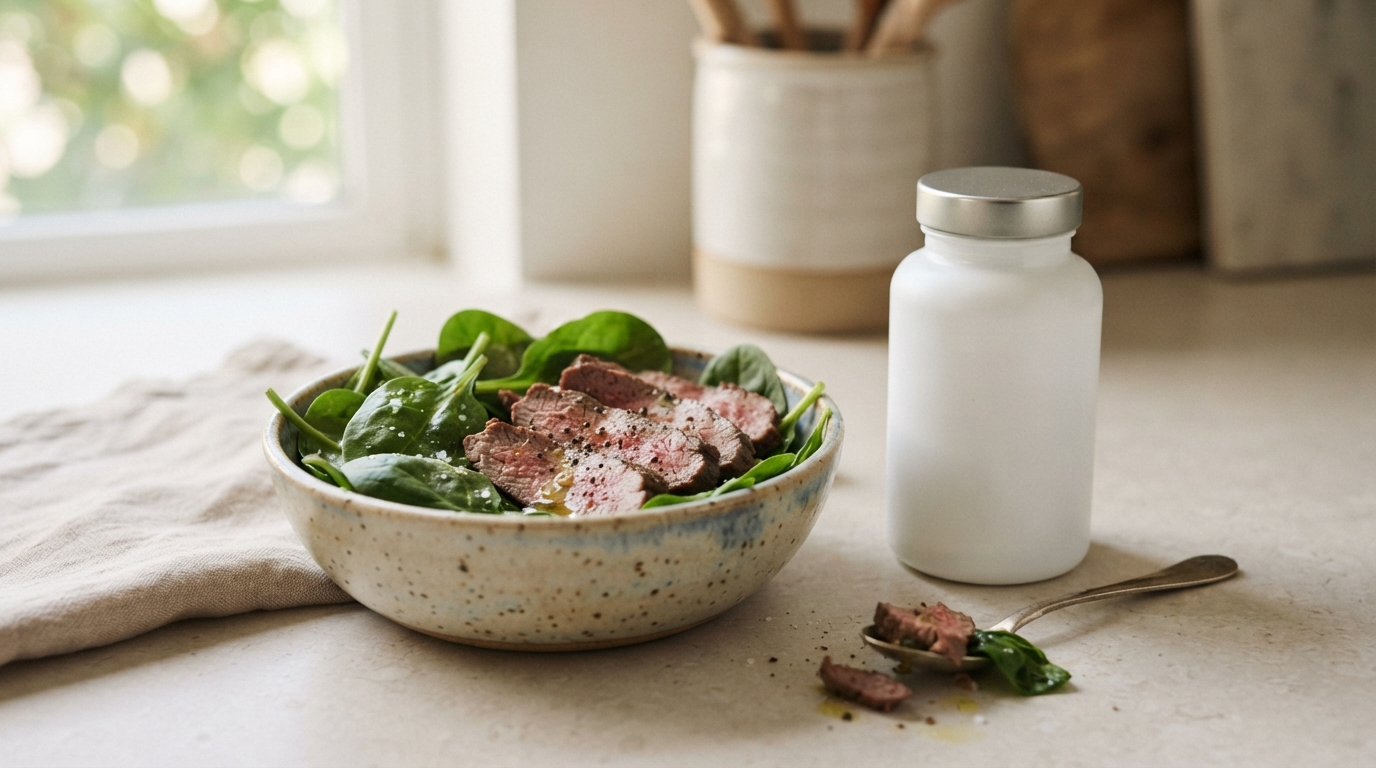
Vegetarians should also pay attention: the requirement for iron is 1.8 times higher for people who follow vegetarian diets than for those who include animal products in their diet. That is because plant-based non-heme iron is absorbed at a much lower rate than the heme iron in meat.
Symptoms That May Suggest Low Iron
Symptoms of iron deficiency anemia include GI upset, weakness, tiredness, lack of energy, and problems with concentration and memory. People with iron deficiency anemia are also less able to fight off germs and infections or to control their body temperature. Lesser-known signs include poor sleep, restless legs syndrome, hair loss, and mind fog resulting in temporary cognitive impairment.
Important: iron supplements should only be taken when deficiency is diagnosed through blood tests, not routinely. If you suspect you are low in iron, ask your doctor to check your ferritin (stored iron) and hemoglobin levels before starting a supplement.
Iron RDAs and Upper Limits at a Glance
The following values come from the National Academies of Sciences, Engineering, and Medicine, as cited by the NIH Office of Dietary Supplements.
| Life Stage | RDA (mg/day) | Upper Limit (mg/day) |
|---|---|---|
| Children 1–3 years | 7 | 40 |
| Children 4–8 years | 10 | 40 |
| Adolescents 9–13 years | 8 | 40 |
| Adolescent boys 14–18 | 11 | 45 |
| Adolescent girls 14–18 | 15 | 45 |
| Adult men 19–50 | 8 | 45 |
| Adult women 19–50 | 18 | 45 |
| Women 51+ / Men 51+ | 8 | 45 |
| Pregnant women | 27 | 45 |
Never exceed 45 mg per day of iron from supplements without medical supervision. Too much iron can cause gastrointestinal upset, organ damage, and in acute overdose situations, serious toxicity — especially in children. If you are pregnant, please discuss both your iron and vitamin D needs with your doctor or midwife before adjusting any supplement doses.
Nutrients That Work Well Alongside Iron and Vitamin D
Understanding which nutrients to pair with — and which to separate from — your iron and vitamin D can make your whole routine more effective.
Vitamin C + Iron: A Proven Combination
Vitamin C (ascorbic acid) is one of the most well-established absorption enhancers for non-heme iron. Taking foods high in vitamin C or vitamin C supplements can help with the absorption of iron. A classic example is drinking a small glass of orange juice with your iron tablet in the morning. To learn more about vitamin C’s broader roles, see our article on can you take vitamin D and C together.
Vitamin D + Healthy Fats: An Essential Pairing
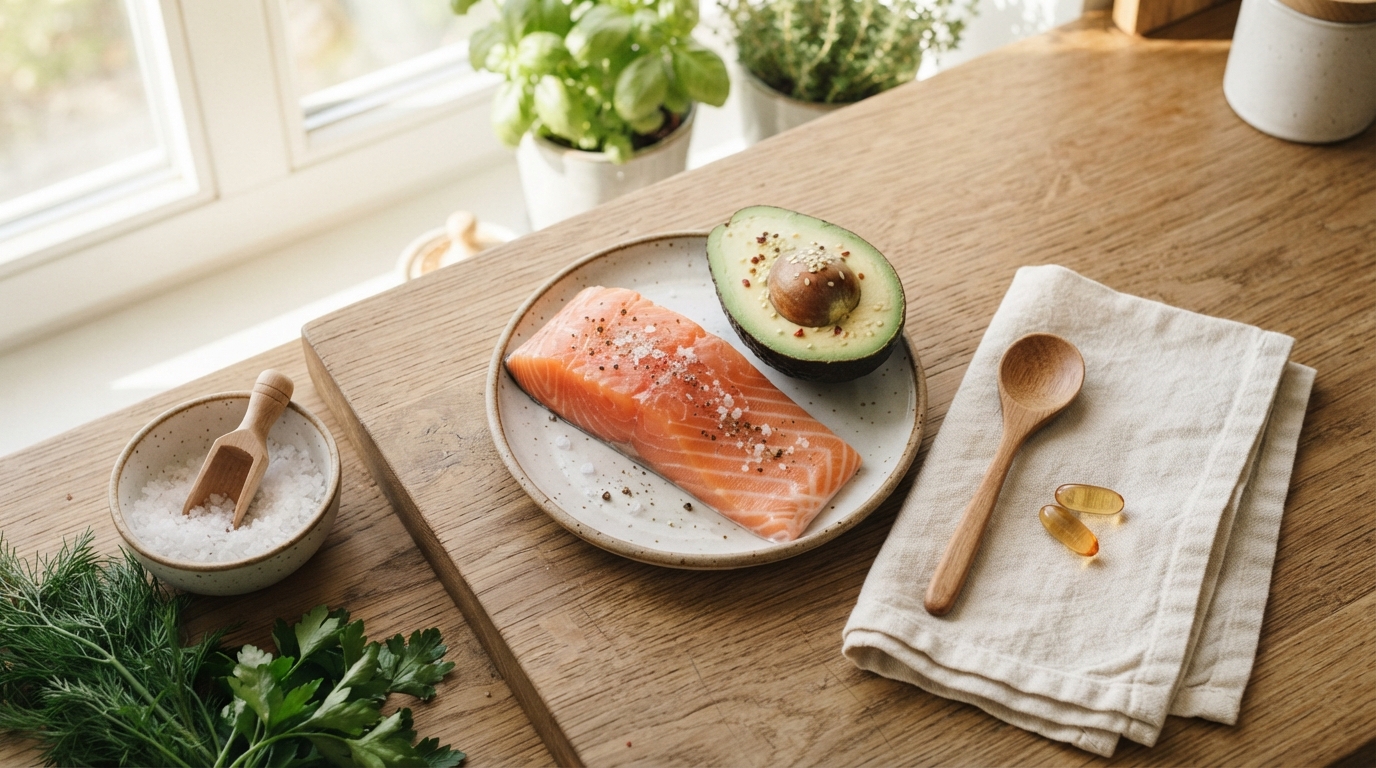
Because vitamin D is fat-soluble, it dissolves and is transported in fat. A meal with salmon, eggs, avocado, or a drizzle of olive oil gives vitamin D a much better chance of making it into your bloodstream. Omega-3-rich foods like salmon serve double duty here — for a closer look at this combination, check out our page on omega 3 and vitamin D.
Keep Iron Away From Calcium and Zinc
Calcium and zinc can both compete with iron for absorption. The NIH suggests taking calcium and iron supplements at different times of the day. Separate iron from any zinc supplements too — ideally by at least two hours. You can explore how zinc pairs with vitamin D in our article on can you take vitamin D and zinc together.
Vitamin D and B12: Another Common Combination
Many people taking vitamin D are also supplementing B12, especially vegans and older adults. If you are wondering how those two interact, our guide on can you take vitamin D and B12 together covers the details.
Special Situations to Discuss With Your Doctor
Pregnancy and Breastfeeding
Iron needs jump significantly during pregnancy. The RDA for iron increases during pregnancy to 27 mg. Most pregnant women in the United States have dietary iron intakes that are below the estimated average requirement. The vitamin D RDA during pregnancy is 600 IU (15 mcg), according to the NIH Office of Dietary Supplements. Both nutrients matter enormously for the developing baby, but dosing should be confirmed with a healthcare provider — prenatal vitamins often include both and may already meet your needs.
Medications and Interactions
If you take thyroid medication (such as levothyroxine), proton pump inhibitors (acid reducers), certain antibiotics, or blood pressure drugs, iron can interfere with how those medications are absorbed. Your pharmacist is the best person to help you build a timing schedule that keeps everything separated safely. Never stop or change a prescribed medication on your own.
People With Kidney Disease
Both iron metabolism and vitamin D activation are affected by kidney disease. Low vitamin D levels independently correlate with the severity of anemia in people with chronic kidney disease. If you have any degree of kidney disease, please work with your nephrologist before adding either supplement.
Choosing a Good Vitamin D Supplement to Pair With Iron
If you are looking for a reliable vitamin D supplement to use alongside your iron routine, here are a few well-known options. For a broader overview of top-rated options, see our full guide on the best vitamin D supplement.
Nature Made Vitamin D3 2000 IU Softgels
Brand: Nature Made
Key features: According to Nature Made, this softgel delivers 2,000 IU (50 mcg) of vitamin D3 (cholecalciferol) per serving; the brand states it is USP verified for purity and potency.
Best for: Adults looking for a widely available, independently verified vitamin D3 option at a moderate dose; the softgel form provides fat for dissolution.
Keep in mind: 2,000 IU is within the safe upper limit of 4,000 IU for adults but is double the RDA of 600–800 IU; check with your doctor if you are unsure whether this dose is right for you.
NOW Foods Vitamin D3 1000 IU Softgels
Brand: NOW Foods
Key features: According to NOW Foods, each softgel delivers 1,000 IU (25 mcg) of vitamin D3 in a soybean oil base; the brand says the product is non-GMO and GMP-quality assured.
Best for: Adults who prefer a lower dose close to the RDA, and those who want a simple, affordable daily option to take with their largest meal.
Keep in mind: The soybean oil base is a small amount; people with soy allergies should check the full label before using.
Thorne Vitamin D/K2 Liquid
Brand: Thorne
Key features: According to Thorne, this liquid formula provides vitamin D3 alongside vitamin K2 (as MK-4) in each drop, with each serving delivering 1,000 IU of D3; the brand highlights that this form allows flexible dosing.
Best for: Adults who want vitamin D paired with K2 in one product and prefer a liquid format they can add to food.
Keep in mind: People taking blood-thinning medications (such as warfarin) should check with their doctor before using vitamin K2, as it can affect how those drugs work.
Frequently Asked Questions
Does taking iron make vitamin D less effective?
No direct evidence shows that iron reduces the effectiveness of vitamin D at normal supplement doses. While some studies indicate that vitamin D can decrease iron stores, others show no effect; the research isn’t conclusive enough to suggest you should avoid combining the two. It’s not likely that moderate doses of both nutrients will interfere with each other’s absorption. If anything, iron supplementation may improve the absorption of vitamin D in the small intestine.
How long should I wait between taking iron and vitamin D?
There is no official minimum gap specifically for iron and vitamin D together, since they do not directly compete. However, a practical approach is to take iron in the morning on an empty stomach and vitamin D with your midday or evening meal that contains fat. This naturally spaces them by several hours and ensures each supplement is in its ideal absorption environment. If you are taking other supplements or medications, your pharmacist can help you build a personalized schedule.
Can low iron cause low vitamin D?
Possibly, according to some research. It is known that iron deficiency impairs fat and vitamin A intestinal absorption. Therefore, it is suggested that absorption of vitamin D may also be impaired. This means that if your iron stores are very low, your gut may be less efficient at absorbing fat-soluble nutrients, including vitamin D. Getting your iron levels tested alongside your vitamin D level (25-hydroxyvitamin D) can help paint a fuller picture of your nutritional status.
Is it safe to take iron and vitamin D every day long-term?
Vitamin D supplementation at amounts up to the Tolerable Upper Intake Level of 4,000 IU daily for adults is generally considered safe for ongoing use, according to the NIH Office of Dietary Supplements. With iron, it is a different story: long-term iron supplementation without a confirmed deficiency is not recommended, because the body has limited ability to excrete excess iron, and overload can damage organs over time. Have your iron levels re-checked by a doctor every few months while supplementing to make sure you are staying within a safe range.
Can vegetarians and vegans take iron and vitamin D together?
Yes, and it is often particularly important for them to do so. Vegetarians need twice as much iron as non-vegetarians because the human body does not absorb non-heme iron directly from plants as readily as it absorbs heme iron from meat, poultry, or seafood. Vitamin D from sunlight or supplements is also the primary source for vegans, since dietary D3 is largely found in animal foods. Pairing a plant-based iron supplement with vitamin C and taking vitamin D with a fat-containing meal (like nuts or avocado) is an effective strategy.
What form of iron supplement is easiest on the stomach?
Ferrous sulfate is the most common and affordable form but also the most likely to cause nausea and constipation. Ferrous bisglycinate (also called iron bisglycinate or “gentle iron”) is absorbed well and is generally considered easier on the digestive system, making it a popular choice for people who find standard iron supplements hard to tolerate. Always follow the dose recommended on the label or by your doctor, and never exceed the Tolerable Upper Intake Level of 45 mg per day for adults without medical supervision.
The Bottom Line
Taking iron and vitamin D on the same day is safe and very common. The only real consideration is timing: iron works best on an empty stomach in the morning, paired with a little vitamin C, while vitamin D shines when taken with a fat-containing meal. Separating them by a few hours takes less than a minute of planning and can meaningfully improve how well each nutrient is absorbed. If you take prescription medications or have a health condition affecting your kidneys, gut, or thyroid, ask your doctor or pharmacist to review your supplement schedule before you start.
This article is for informational purposes only and is not medical advice. Talk to your doctor or pharmacist before starting any supplement, especially if you are pregnant, breastfeeding, taking medication or have a health condition.

One thought on “Can You Take Iron and Vitamin D Together? Timing Tips”